
 By
By 
Metal roofs have become a reliable choice for both residential and commercial buildings. They offer durability, style, and lasting performance when installed correctly. Every phase of installation matters to achieve the best results. Let’s explore how professionals handle the process of metal roofing installation in Fort Wayne.
Initial Evaluation and Planning
Before any project begins, professionals conduct a detailed inspection to assess the structure and layout. This helps determine the correct materials and methods for Fort Wayne roofing projects that meet local climate needs. Measurements, slope checks, and material selection are all verified at this stage. Careful planning ensures the installation aligns with both safety standards and design goals.
The planning phase includes coordination with suppliers and the homeowner to finalize timelines and material delivery. Contractors review ventilation, insulation, and drainage aspects that affect long-term roof performance. This preparation helps with minimizing waste and achieving better efficiency. A well-structured plan forms the foundation for a successful metal roof installation.
Material Preparation and Surface Readiness
Each type of metal roofing panel, whether aluminum, steel, or copper, requires proper preparation before use. The panels are cut and shaped precisely to match the roof’s layout and angle. Installers also inspect the underlying decking for damage or rot that might affect stability. Addressing such issues early helps prevent leaks or corrosion later.
Proper underlayment installation is essential to protect against moisture buildup. Sealants and flashing materials are readied to create a tight barrier against wind and rain. Professionals verify alignment and overlap accuracy to maintain a smooth appearance. This step ensures that each part supports the structure’s integrity.
Panel Installation and Fastening Process
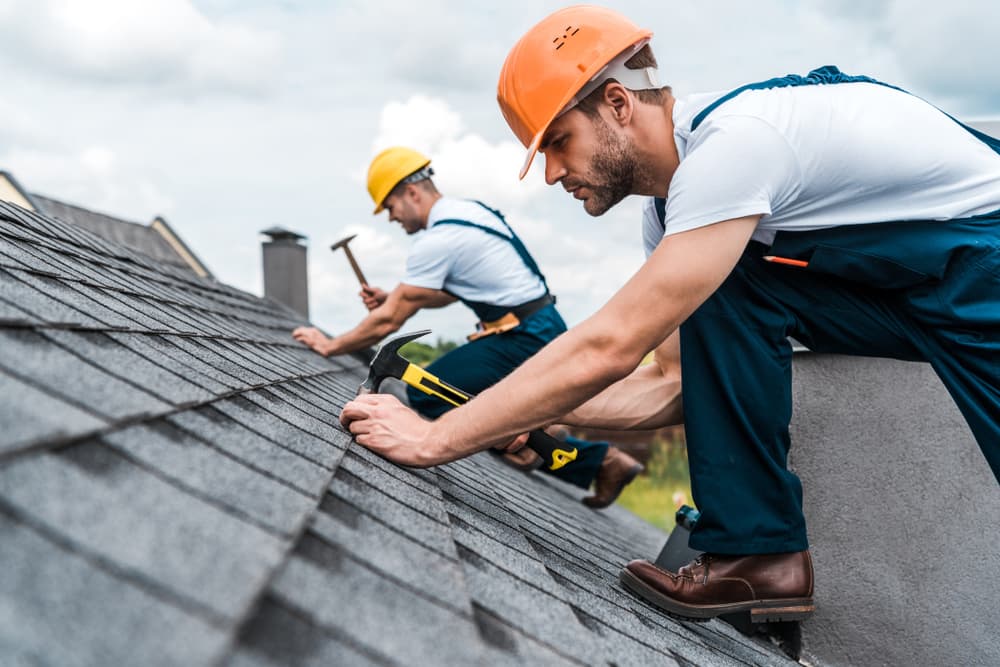
Once the surface is ready, roofers start securing the panels from the bottom edge upward. Fasteners are positioned carefully to prevent misalignment or loose joints. Each panel interlocks to create a strong, weather-resistant covering. Technicians maintain uniform spacing for a balanced look across the roof.
Precision in Sealing and Finishing
Sealants are applied to joints and seams to block water penetration. Every corner and ridge receives special attention for added protection. Trim pieces and ridge caps are installed to complete the structure and reinforce its strength. A clean finish adds to the roof’s visual appeal while maintaining long-term durability.
Safety Practices and Quality Assurance
Safety plays a major role in every Fort Wayne metal roofing project. Professionals use harnesses, guardrails, and non-slip footwear to prevent accidents. Each team member follows OSHA standards to maintain worksite safety. Proper lifting techniques and organized material handling reduce potential hazards.
Quality checks are performed throughout installation. Roofers test the fastening system, inspect the sealant application, and confirm correct ventilation paths. These evaluations aid in spotting small issues before they grow. Attention to quality may help improve roof performance and longevity over time.
Final Inspection and Site Cleanup
Once installation is finished, a full inspection ensures every detail meets project standards. Roofers check flashing, gutters, and panel alignment one last time. This review verifies that the roof can handle heavy rain and seasonal temperature changes in Fort Wayne. Precision in this step confirms the structure’s reliability and function.
Cleanup is an essential final phase of the workflow. Crews remove leftover materials, debris, and fasteners from the property. Waste is handled responsibly and recycled when possible to reduce environmental impact. The result is a secure, clean site ready for long-term protection.
The process of metal roofing installation requires skill, precision, and organized planning. Professionals in Fort Wayne roofing services follow a structured workflow to deliver dependable results. Each stage, from inspection to cleanup, helps build strength and value that lasts for decades. A well-installed metal roof may help improve safety, energy efficiency, and comfort across the property.





Comments