
 By
By 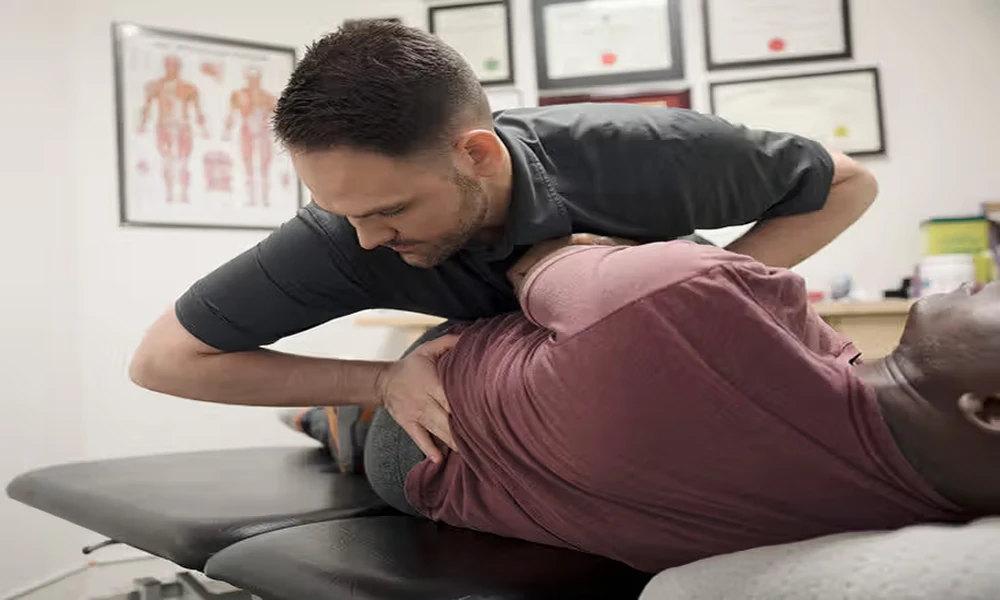
You moved for the powder, the trailheads, or the fact that your old city had three lanes of traffic and zero patience. Six weeks in, your lower back files a formal complaint. Now you’re staring at a search results page with eleven clinics, four five star ratings, and no clue which one actually knows what they’re doing.
That gap between “lots of options” and “the right option” is where most people stall for weeks. Here’s the shortcut: if you’re in the Flathead Valley, start with the chiropractors in Whitefish who publish their full service menu, not just “adjustments.” Clinics that list specific therapies, hours, and an actual street address are telling you how they practice before you ever walk in. The same logic works in any town you land in.
What follows is the vetting process I’d use myself, plus the three questions that separate a clinic that treats you like a problem to solve from one that treats you like a person with a spine.
Start With What the Clinic Actually Offers
A clinic that only does manual adjustments will adjust you. That’s not a knock. It’s just a narrow toolbox, and if your issue is soft tissue, scar tissue, or a joint that’s locked up after a season of hard skiing, you may want a clinic with more than one tool.
Look for a service list that includes things like shockwave therapy, laser therapy, dry needling, or kinesiology taping alongside standard chiropractic care. Those aren’t gimmicks. They’re different mechanisms aimed at different tissue types, and a clinic that offers several of them has already made a decision about how it wants to help people recover.
- Adjustments for joint mobility and alignment
- Soft tissue work for muscle tension and restrictions
- Modalities like shockwave or laser for stubborn, chronic issues
- Home exercise plans you can actually follow between visits
I’d pick a multi-tool clinic over a single-tool clinic every single time, even if the single-tool place has a prettier waiting room.
Three Questions to Ask Before You Book
Call the front desk. Yes, actually call. Ninety seconds on the phone tells you more than an hour of scrolling reviews.
One: “What does a first visit include?” You want to hear about an exam, a history, and some kind of assessment. If the answer is just “an adjustment,” that’s a red flag, because nobody should adjust a spine they haven’t looked at.
Two: “What’s the plan if I don’t improve in a few weeks?” Good clinics have an answer. They’ll mention reassessment, a referral to another provider, or a change in approach. Clinics that only say “keep coming in” are selling visits, not outcomes.
Three: “Do you take my insurance, and what’s the cash price?” Get both numbers. According to the Centers for Medicare & Medicaid Services, coverage rules for chiropractic services vary depending on the plan, so a two minute call now saves you a billing headache later.
Location Matters More Than You Think
Here’s the unglamorous truth about recovery: consistency beats intensity. A clinic forty five minutes away in perfect weather is a clinic you’ll skip the week the pass closes and the roads turn to ice.
Pick something within a fifteen minute drive of your house or your job. I’d rather see a solid, well run clinic that’s five minutes from my kitchen than a famous one I have to schedule my entire afternoon around. In a town like Whitefish, where the population swells in winter and parking near downtown vanishes by 9 a.m., proximity is a real clinical variable. Missed appointments don’t heal anyone.
What the Reviews Won’t Tell You
Online ratings skew toward two groups. People who felt instant relief, and people who felt nothing at all. The middle, where most real recoveries happen over four to six weeks, rarely writes a review.
So read reviews for patterns, not stars. Look for repeated mentions of the same thing: clear explanations, not being rushed, feeling heard. Those are the traits that correlate with good care. A single angry review about a billing dispute tells you almost nothing about treatment quality.
You can also check whether the provider is licensed and in good standing. According to the National Institutes of Health, complementary and integrative health approaches, including spinal manipulation, are widely used by American adults, which means licensing boards and scope of practice rules exist for a reason. Take two minutes to confirm your provider is legitimately credentialed in your state.
The First Visit: What Good Looks Like
You’ll know within ten minutes whether you picked right. Here’s the checklist I’d run in my head.
| What to watch for | Why it matters |
|---|---|
| They ask about your history and daily routine | Your desk setup and ski habits change the treatment plan |
| They explain what they found before treating | You should understand your own body, not just trust blindly |
| They give you something to do at home | Two visits a week can’t outwork seven days of bad posture |
| They tell you roughly how many visits to expect | A plan with a timeline is a plan. An open tab is a subscription |
If a clinic hits three of those four, stay. If it hits one, finish the appointment and keep looking.
One more thing, and this is the part people skip. Ask about home care specifically. Printed instructions, a video, an app that tracks your progress, anything. A clinic that sends you home with nothing is betting on your memory, and your memory is bad. Mine is. Yours is too, especially when your back hurts and you’ve got a job and a dog and a driveway to shovel.
Recovery in a mountain town has its own rhythm. You’re active, the terrain is unforgiving, and the seasons change what your body deals with. According to the Centers for Disease Control and Prevention, regular physical activity is one of the most effective ways to manage chronic pain and maintain function, which means the right clinic should be helping you stay active, not telling you to sit still for a month.
Build the Relationship Before You Need It
The best time to find a chiropractor is when nothing hurts. Get the first visit out of the way in the off season, learn the office, meet the staff, understand how scheduling works. Then when you tweak something on a powder day, you’re a familiar face calling in, not a stranger begging for a same day slot.
You moved here to use your body, not to protect it. Finding care that keeps you moving is part of the deal you made with this place.
So who’s your person? If you haven’t figured that out yet, start with the calls above and book the one that answers your questions without dodging. Your spine will thank you, and so will next season’s ski pass.









Comments