
 By
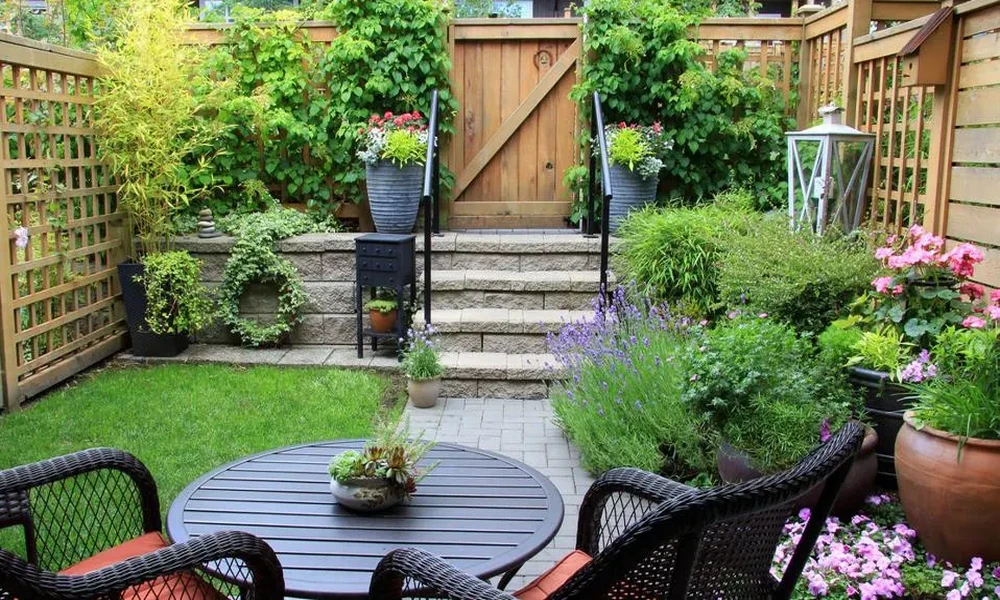
Two summers. That’s how long a badly planned Las Vegas yard lasts before the pavers lift, the turf bubbles, and the fire pit pit fills with sand that came from somewhere upstream. I’ve walked yards where the homeowner spent serious money and got a patio that turns into a shallow lake every July.
None of it is bad luck. Desert yards fail for four or five predictable reasons, and every one of them traces back to decisions made before the first shovel ever touched dirt. Your patch of dirt out here isn’t like a lawn in Ohio, and it’s not even like Phoenix, because our soil profile and flood patterns do their own thing.
The builders who actually get this, the ones who treat the soil and the drainage as the foundation of the whole design, produce yards that still look sharp when the homeowner is ten years in. If you’re comparing outfits for hardscaping services near me Las Vegas, the useful question isn’t price per square foot. It’s whether they test your ground before they sell you a layout.
What’s Actually Under Your Dirt
Caliche. Almost every valley lot has a layer of it within a few feet of the surface, and it behaves like concrete. It doesn’t drain. It doesn’t let roots through. And the worst thing you can do is build on top of a caliche shelf, because water pools against it and eats the base course under your pavers.
I’ve watched the opposite failure too, where a contractor hauled in fill without compacting it in lifts, and the patio heaved from underneath. It’s a six inch wobble that never really goes away. If a contractor can’t tell you in plain language how they handle caliche, listen a little harder.
Design For A Once-A-Year Flood, Not An Average Tuesday
Monsoon season drops more rain in a couple of weeks than most people expect, and it arrives fast. The National Oceanic and Atmospheric Administration maintains the official records on these seasonal shifts, and if you spend any time reading them you’ll see why flat, out-sloped patios are a liability. A yard needs a route for water to leave, ideally somewhere it belongs, like a planted basin or a dry creek bed, before it reaches a neighbor’s wall.
Here’s the trick most homeowners miss: the first thing I’d spend money on in any yard is drainage, and it’s the last thing anyone wants to pay for. You can’t see it, you can’t photograph it, and it never shows up in a before-and-after. But on the resale walkthrough, it’s the difference between a patio and a swimming pool that isn’t supposed to be there.
Shade Is Structural, Not Decorative
A pergola isn’t landscaping, it’s climate control. The University of Nevada, Las Vegas sits a few miles from most of these yards, and a walk across that campus in August tells you everything about solar loading. Western walls throw heat back at a patio well into the evening. If your seating area doesn’t have a cover on the west or south, it’s a four month patio at best.
I’d install shade before I installed a fire pit, and I’d say that to anyone who asked me on a job site. Fire pits are wonderful in January. Pergolas earn their keep in July, when you actually want to be outside.
Plant It For The Third Year, Not The First
Everything looks great the week the crew drives away. Ask what the yard will look like once the plants have doubled. If someone sells you a ficus hedge under a wall that’s going to hit the power lines, or ground cover that wants shade under six hours of afternoon sun, they’ve built a maintenance contract instead of a garden.
Drip irrigation gets part of the blame here. It gets installed, set once, and forgotten, and a lot of desert plant death isn’t drought. It’s a valve running too long against a plant that evolved to handle sparse water. Spend an hour learning your controller, and your plants will outlast your patio.
Follow The Water To The Edge
The county’s own building data, tracked by the Bureau of Labor Statistics, shows how much of the local economy rides on construction, and much of that work depends on understanding this valley’s very specific ground conditions. Localities across the valley collect design standards and final inspections for final grading. Whoever pulls your permits is telling you something about how carefully they plan.
A Quick Decision Guide You Can Actually Use
Before you sign anything, run through this list with whoever is quoting you:
- Ask for soil testing or evidence they’ve handled caliche on this exact side of town.
- Ask where water goes during a monsoon and make them point it out on the plan, not in conversation.
- Ask for a hardscape sample in the finish you’re actually buying, not a catalog photo.
- Walk a finished yard they completed three or more years ago. The older the better.
- Get a written maintenance schedule for the irrigation, not just the install.
Two more things to settle early: who’s handling final grading, and what happens if a paver shifts in year two. The answer to the second question tells you almost everything about the first one.
The Part That Actually Decides It
Every real backyard here makes three choices, and I’d argue they matter more than any design style you pick. You decide how water leaves the property. You decide how shade lands on the seating area. And you decide which materials can handle a surface that hits 150 degrees by midafternoon. Get those right and almost any aesthetic works.
Skip them and your backyard becomes a maintenance contract with a view. The good news is that the right builder will bring those three questions up before you do, and a mediocre one will want to talk about finishes first. That distinction is free to observe.
So when you’re ready to break ground, do yourself a favor and slow down for ten minutes at the planning stage. Ask the uncomfortable questions about caliche, runoff, and year three. You’ll spend the next ten summers laughing at the neighbor whose paver patio just became a shallow pond. Then ask yourself honestly: is your current yard built for a Las Vegas decade, or a Las Vegas weekend?



Comments